It’s coming–next at SPJ-FW–May 5



See details at https://spjfw.org/?page_id=1390
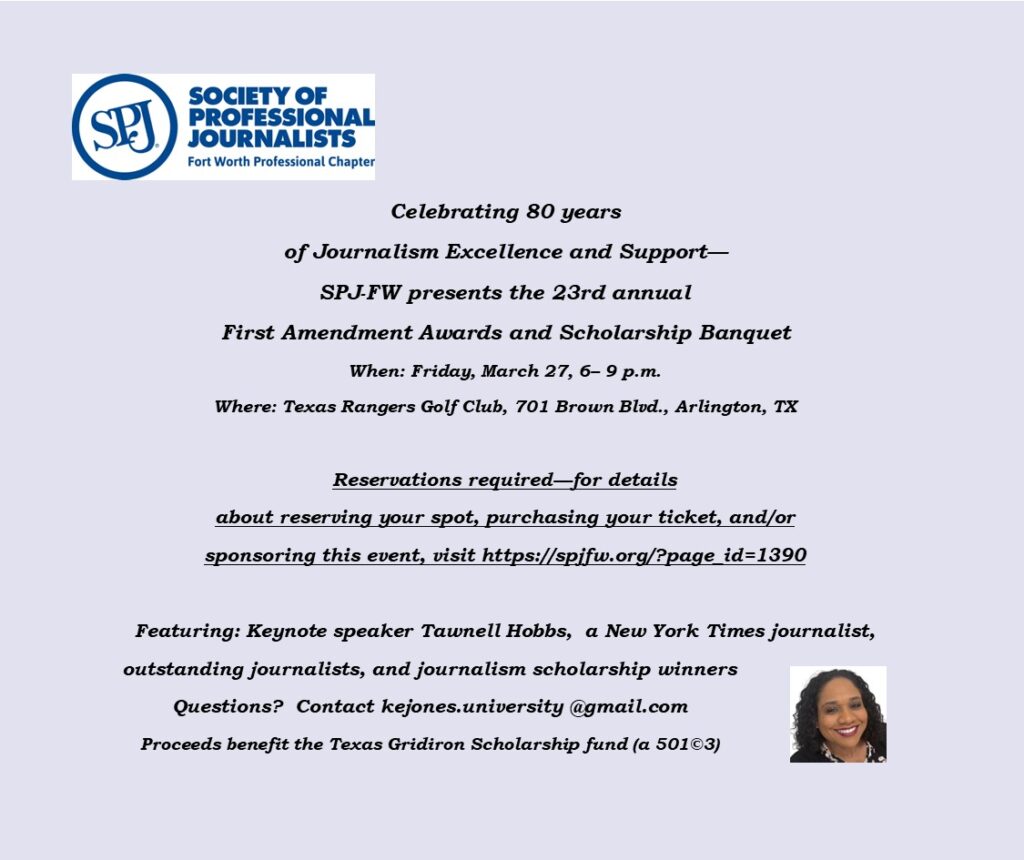


Accepting SPJ-FW First Amendment Contest entries! —EXTENDED DEADLINE!!
The First Amendment Awards honor work that defends the freedoms guaranteed by the First Amendment to the Constitution; furthers the people’s right to know how governments and businesses affect their lives; and champions the powerless and disadvantaged.
Who may enter: print/online and broadcast journalists in Texas and Oklahoma — SPJ Region 8 — or whose work is used by news organizations in those states. Stories that address an incident or topic in Texas or Oklahoma are eligible regardless of the reporter’s location or news organization. An entrant does not have to be a member of SPJ.
**Early-bird deadline Jan. 10 = $35 per entry; last chance deadline Jan. 15 = $45. No entries will be accepted after Jan. 15 or without payment.
*New for the contest: We will award First and Second place winners!
For entries to be submitted for judging, payment via credit card AND PERSON’S NAME ON CREDIT CARD for entry fees is required with entry submissions. We no longer accept checks.**
Entries must have aired or been published in 2025 and are grouped for judging based on category, market size (broadcast) and circulation/reach (print/online).
See details and entry form link at https://spjfw.org/?page_id=1222
We look forward to your entry,
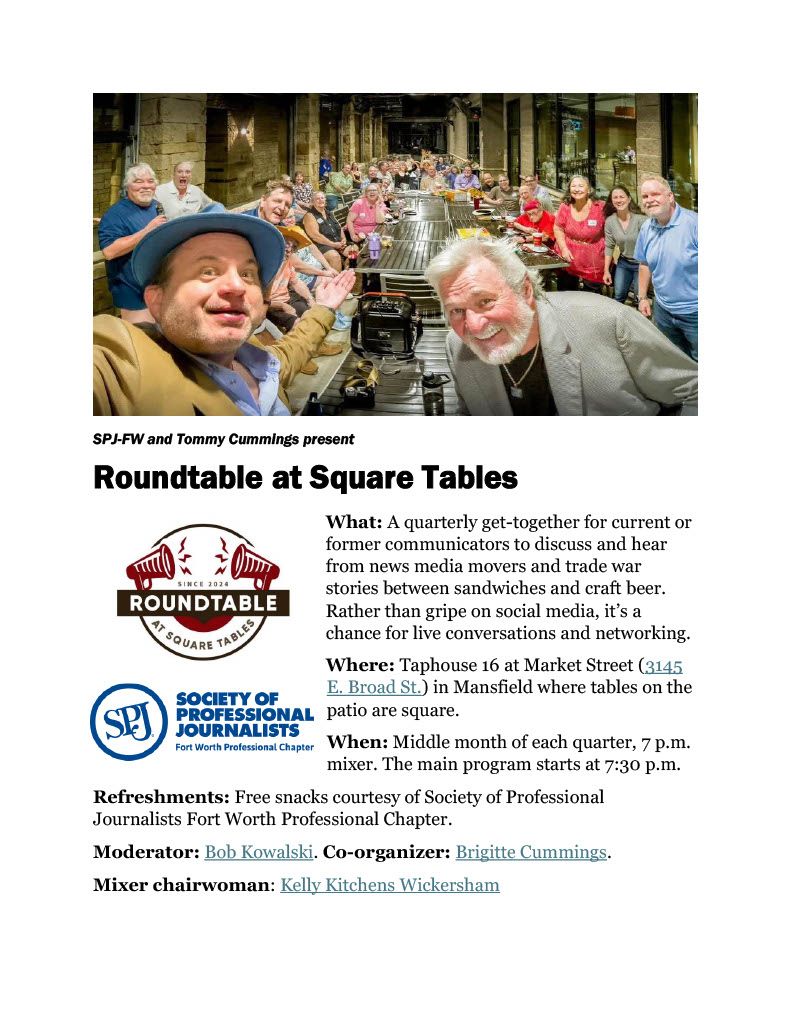

Want to know how to use Google Tools?
***Google has an entire section of special tools for media professionals, and they are sending one of their trainers to teach us!
When: Saturday, Sept. 20, 9:30 a.m.-12:30 p.m.
Where: Texas Wesleyan University
***This event has a limited seating of 30–to reserve a seat–send your request to
kejones.university@gmail.com by Sept. 17.
You will get a return email if there is an open seat for you, which will include details about the event place.
**To participate, all attendees will need to bring an Internet capable laptop.
Presented by SPJ national and SPJ-FW
Light refreshments will be available

About 90 people enjoyed our 22nd Annual First Amendment Awards and Scholarship Banquet Friday, March 28. We gave $17,000 in scholarships to promising media students and 20 awards to excellent journalists for their work in defending the First Amendment. For more photos, visit https://photos.app.goo.gl/PzDg2vezcH8Eqyi46
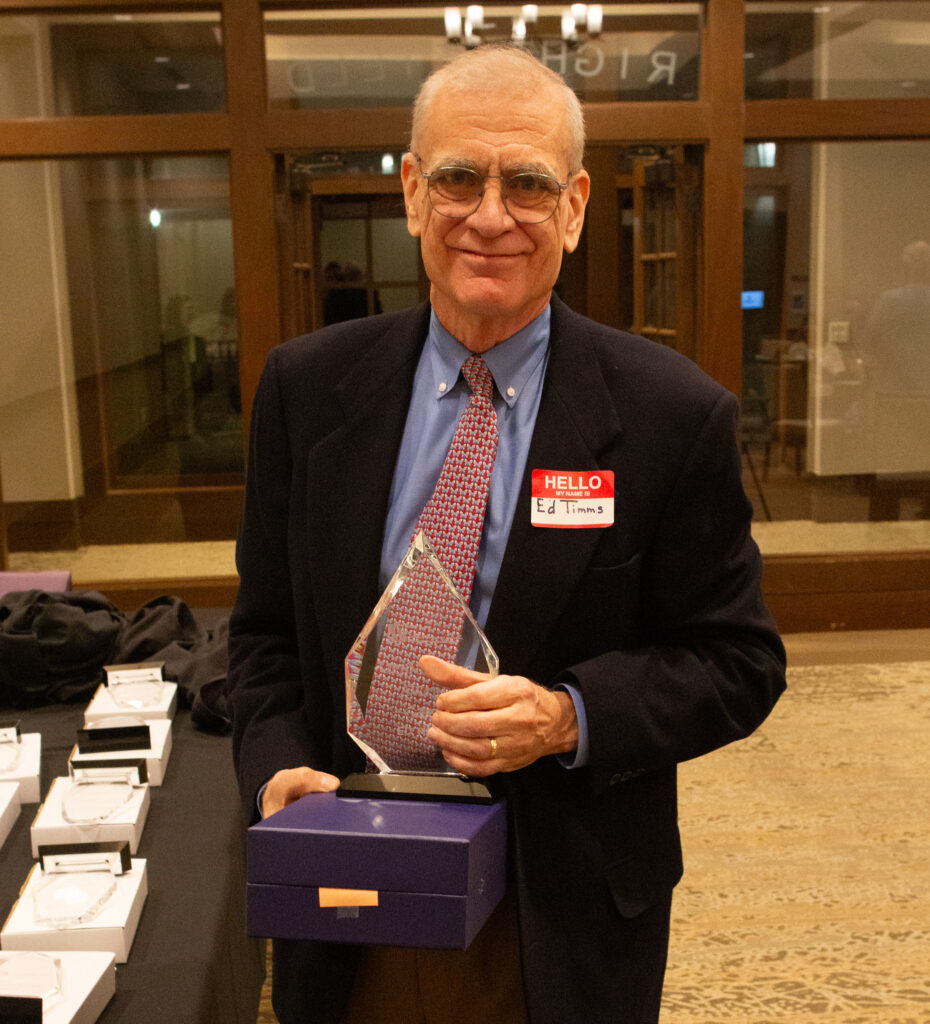
We celebrated good journalists’ work, and we honored them with 19 First Place awards. We celebrated journalist, Ed Timms, of KERA, with the Open Doors Award–our Lifetime Achievement award, for his great work over several years. Congratulations, Ed!
Christi Harlan, our guest speaker, told about her experiences with writing two books about former President Jimmy Carter–much of her information came from members and archives of First Baptist Church of Washington, D.C., where he taught Sunday School while he was president. Her books can be bought on Amazon. Thank you for sharing your incredible career with us!
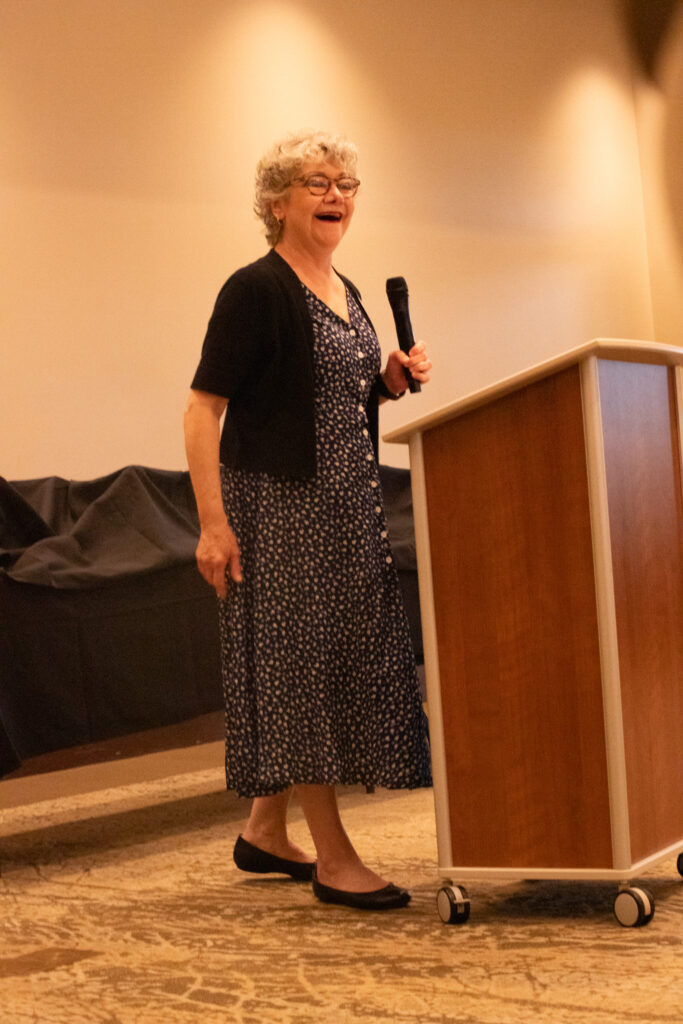
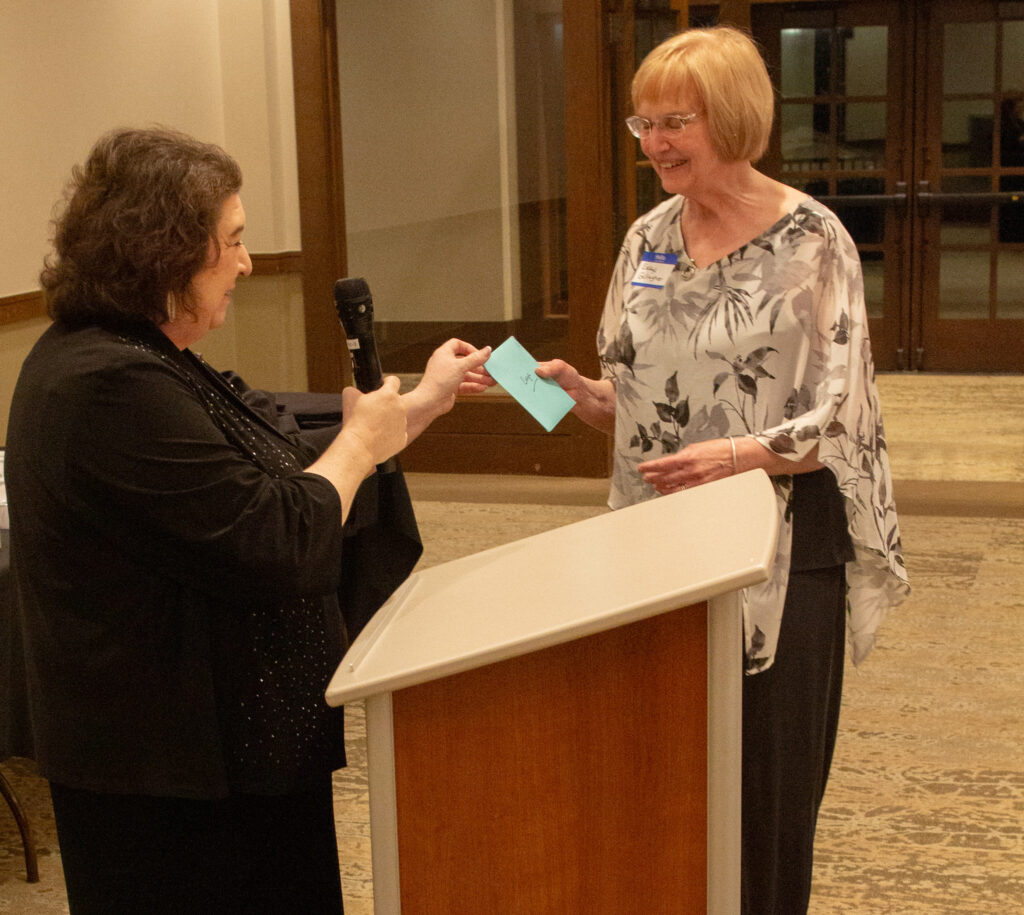
Another highlight of the night was honoring our outgoing SPJ-FW board president. Eddye Gallagher has been an extraordinary SPJ member for many years. She has served as our Regional Director as well as our chapter president for the past 5 years. Congratulations, Eddye!
Join SPJ-FW Feb. 27 at Hotel Dryce for the SPJ-FW game night from 7-9 p.m.
It’ll be a fun SPJ-FW Trivia night with colleagues
The winner gets a prize and bragging rights!
So, come test your local, state and national news and history skills at SPJ-FW’s first trivia night at Hotel Dryce’s bar and library! RSVP on Facebook or by emailing kaileybrous@gmail.com.
Join us Wednesday, Nov. 12, at 5 p.m., via Zoom to hear Emily Bloch’s vision for SPJ! Have your questions ready to converse with her. She will update us on the state of the Society of Professional Journalists organization with good news about our programs and successes.
Bloch is a journalist specializing in youth and internet culture and its intersections with diversity and politics. She covers national trending news for the Inquirer. Bloch has been involved with SPJ since joining as a student representative in 2016. She became the president of SPJ Florida in 2019 serving back-to-back Chapter of the Year winning terms. She’s been on the national board since 2019.
Zoom video event will open at 4:30 p.m. at https://us02web.zoom.us/j86351586104

New SPJ President Emily Bloch
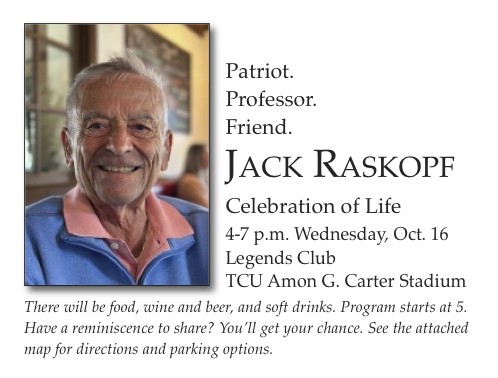
Please join friends and family to celebrate the life of long-time SPJ-FW member, Jack Raskopf